The True Cost of Diesel Power
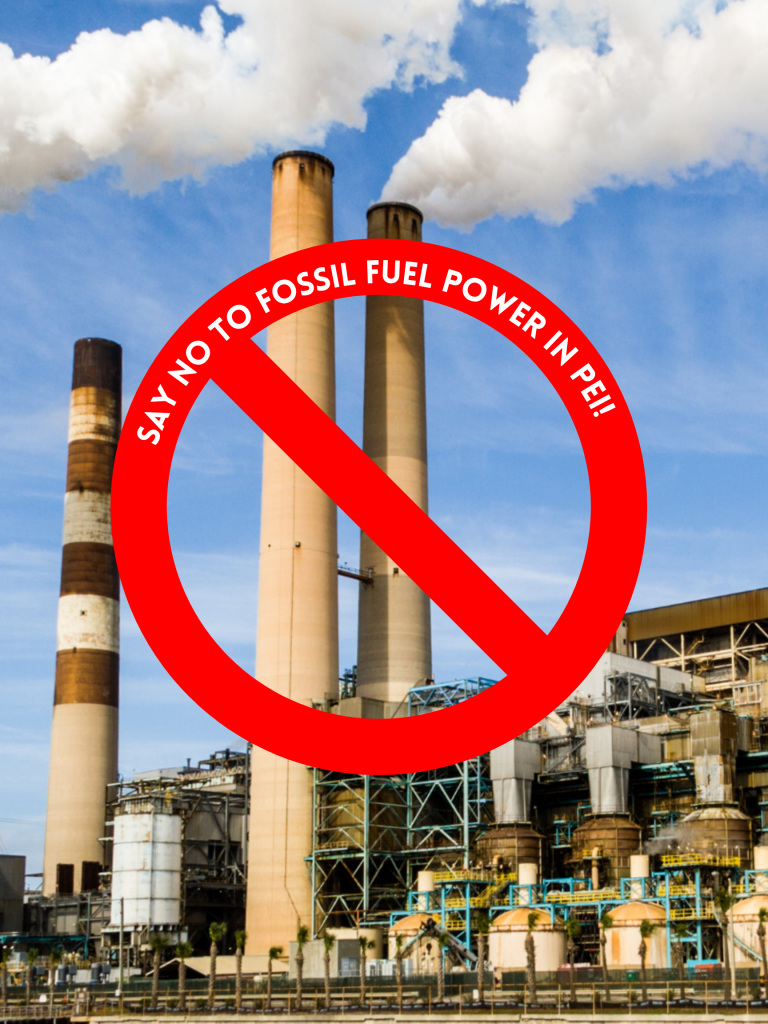
Energy planning in PEI should be just that, planning – done with the future in mind. Right now, it seems that Maritime Electric isn’t interested in planning. They’re interested in ramming through $353 million dollars for a 100 MW ProEnergy fossil-fuel generation project, using refurbished turbines converted from aircraft engines.
That combustion turbine project is reactionary, expensive, pollution-heavy, and has a 50-year lifespan. Ratepayers deserve a solution that is properly tested, responsibly planned, and aligned with long-term affordability and provincial emissions targets.
Affordability matters. Islander ratepayers ultimately bear the cost of utility investments through electricity rates. The estimates for these diesel turbines add $100 a year to electric bills for Island households. But the cost doesn’t stop there. There has been little talk about the fuel cost for this project, but it is far from negligible.
In just its first year, this diesel plant will burn an estimated 2.7 million litres of diesel, adding nearly another $80 annually to household bills, quickly doubling as usage and costs rise.
The capital and operating costs will continue to grow. The combustion turbines are not evaluated with a 100 percent Effective Load Carrying Capacity (ELCC). They can only reliably provide 75 MW of capacity. Meaning that even if ratepayers make the purchase, two turbines can’t fill the gap on their own. If this application is approved, ratepayers can expect another costly proposal before the end of the decade.
Then there is the opportunity cost. If IRAC approves Maritime Electric’s application to spend over $350 million in ratepayer money to install these combustion turbines, investing in cost-effective renewable energy and storage down the line becomes harder to justify.
Carbon output matters too. The first-year emissions from these turbines might seem low, but as electrification continues and energy demand increases, we need infrastructure that actually leads to decarbonization, instead of just shifting it from one sector to another. Island households, farmers, and small businesses are all being asked to do their part to decarbonize, so why should we expect less from our energy utility?
Diesel turbines are not the only way to meet demand. Renewable generation, imports, storage, demand-side management, demand response and distributed resources could all be part of an effective solution. PEI can build a reliable, affordable, and sustainable energy grid, but not if we rush into giant, expensive, polluting projects before we’ve tested the rest of our options.
Even if they were approved today, diesel combustion turbines couldn’t be online in PEI until the end of 2029. Taking the time to properly evaluate the full suite of options doesn’t set us back; it makes efficient use of our interim energy capacity plan.
Energy planning is not just about the next few winters; it’s setting our path for decades to come. Completing full, fair testing of alternatives before shaping the most cost-effective energy portfolio is what smart planning looks like, and it’s what PEI deserves.