22 February 2026
A community-based energy co-operative told a legislative committee Feb. 5 that Prince Edward Island does not need to lock itself into new diesel generation to meet future electricity demand, warning the approach could expose ratepayers—including farmers—to higher long-term costs and avoidable reliability risks.
Representatives of Energy Democracy Now! Co-operative Ltd. appeared before the Standing Committee on Natural Resources and Environmental Sustainability to oppose Maritime Electric’s application before the Island Regulatory and Appeals Commission (IRAC) to install two refurbished diesel turbines at the Charlottetown generating station.
Maritime Electric’s proposal would add roughly 100 megawatts of capacity using refurbished aircraft engines, with the utility arguing that the project is necessary to meet growing electricity demand and ensure grid reliability as early as 2028 or 2029. The utility has pointed to increased electrification, population growth, and limits on off-Island power imports as justification for the investment.
Energy Democracy Now president Leo Broderick told the committee the co-operative was formed in response to what it views as a lack of public participation in energy decision-making and insufficient progress on renewable energy planning—issues he said have direct implications for rural and agricultural communities that depend on reliable, affordable electricity.
“For farmers, electricity is not optional,” Broderick said, noting that many Island farms operate energy-intensive systems year-round. Interruptions or sharp increases in electricity costs, he added, are felt immediately in farm operating budgets.
The presenters emphasized that electricity reliability on farms extends well beyond lighting and basic services. Power disruptions can affect milking systems, barn ventilation, automated feeding equipment, irrigation pumps, grain drying, cold storage, and on-farm processing. In livestock operations, even short outages can raise animal welfare concerns, while in crop and storage systems, unreliable power can compromise product quality and marketability.
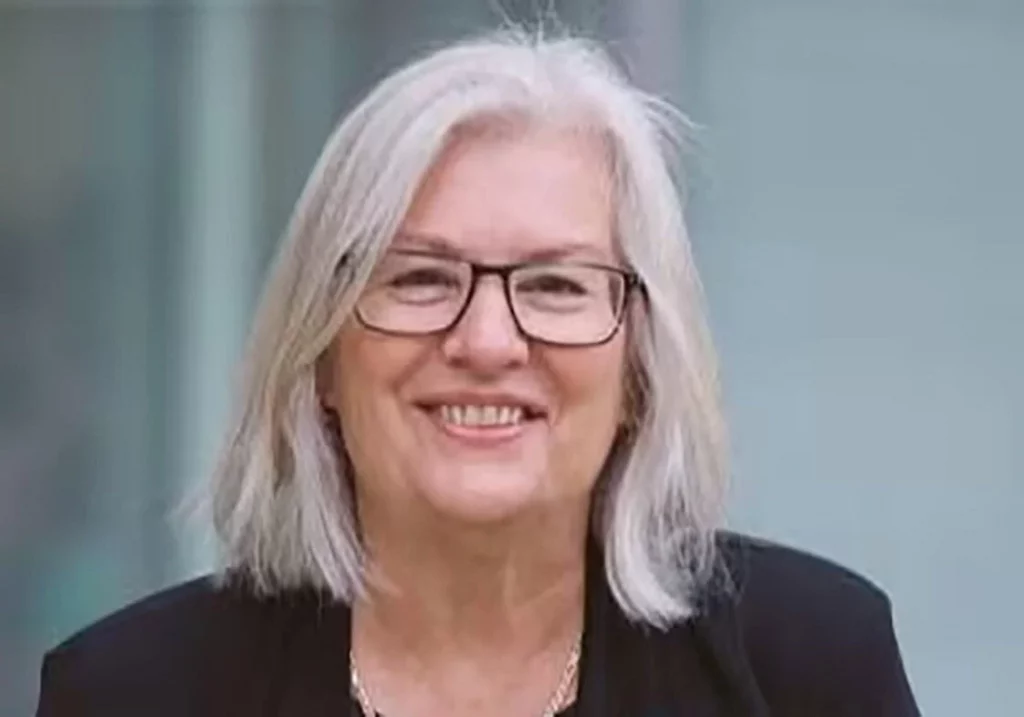
The main technical presentation was delivered by Darcie Lanthier, a renewable energy professional and board member, who argued Maritime Electric’s case for new diesel generation is built on flawed assumptions about future demand and capacity shortfalls.
Lanthier told the committee that Maritime Electric’s projected supply deficit relies heavily on conservative modelling that assumes steadily rising peak demand while placing strict limits on off-Island imports. She said the projections fail to fully account for conservation measures, price signals, and changes in consumer behaviour—including within agriculture, where producers are increasingly adopting energy efficiency upgrades, load-shifting strategies, and on-farm generation.
She also questioned the utility’s financial projections, pointing to what she described as large, unexplained changes between filings. Lanthier warned that long-term exposure to diesel fuel prices would ultimately be borne by ratepayers, including farmers already facing rising input costs for fuel, fertilizer, feed, and labour.
Rather than investing in centralized diesel generation, Lanthier argued the province could pursue a combination of distributed battery energy storage, wind and solar generation, and demand-side management tools such as time-of-use pricing. For agriculture, she said, this approach could support grid stability while giving farms greater flexibility to manage peak loads, reduce costs, and participate more directly in the energy system.
She noted that many agricultural operations already have the physical footprint and seasonal load profiles that make them well-suited for on-site storage or generation, particularly when paired with incentives and clear long-term policy signals.
Lanthier also emphasized that the co-operative model is central to how the initiative is intended to work. Unlike investor-owned energy projects, a co-op structure keeps ownership and decision-making in the hands of local members, with each member holding an equal vote regardless of their financial contribution.
A locally elected board would oversee project decisions, while any revenues generated would either be reinvested in future projects or returned to members, keeping economic benefits circulating within the community rather than flowing to outside shareholders.
At the same time, Lanthier cautioned that community energy projects are not quick or simple undertakings. She noted that regulatory approvals, grid access, and financing all take time, and that projects typically unfold over several years rather than months.
Committee members questioned the presenters on winter reliability, affordability, and the risk of blackouts during peak demand periods. Energy Democracy Now maintained that targeted peak reduction, modern storage technologies, and better use of existing infrastructure would strengthen reliability without locking the province—and its farming sector—into decades of fossil fuel dependence.
Energy Democracy Now urged the committee to recommend against approving the diesel project and to call for an independent, transparent resource plan that balances reliability, affordability, and emissions reduction while protecting energy-dependent sectors such as agriculture.